Walls That Look Finished Again
Drywall Repair in Kingsport for holes, cracks, water stains, and damage from remodeling work
Drywall damage shows up in forms that range from small nail pops and hairline cracks to fist-sized holes from doorknobs or water-damaged sections with visible staining and soft spots. Smith Construction And Home Maintenance LLC handles drywall repair in Kingsport with a clean process that includes patching, compound application, sanding, texture matching, and finishing that blends seamlessly with surrounding surfaces. You schedule this work when walls show visible damage that disrupts the appearance of a room or when preparing a home for sale or rental.
The repair process involves cutting out damaged sections, securing new drywall or patching material, applying joint compound in multiple thin coats, sanding to a smooth finish, and matching the existing wall texture before priming and painting. Minimizing dust during sanding and protecting floors and furniture keeps disruption low, which matters when repairs happen in occupied homes. Most damage traced to impact, settling, plumbing leaks, or previous remodeling work requires different approaches depending on whether the drywall itself is compromised or just the surface finish.
Schedule an on-site evaluation to assess wall damage and determine the scope of repair work needed.
What Proper Drywall Patching Requires
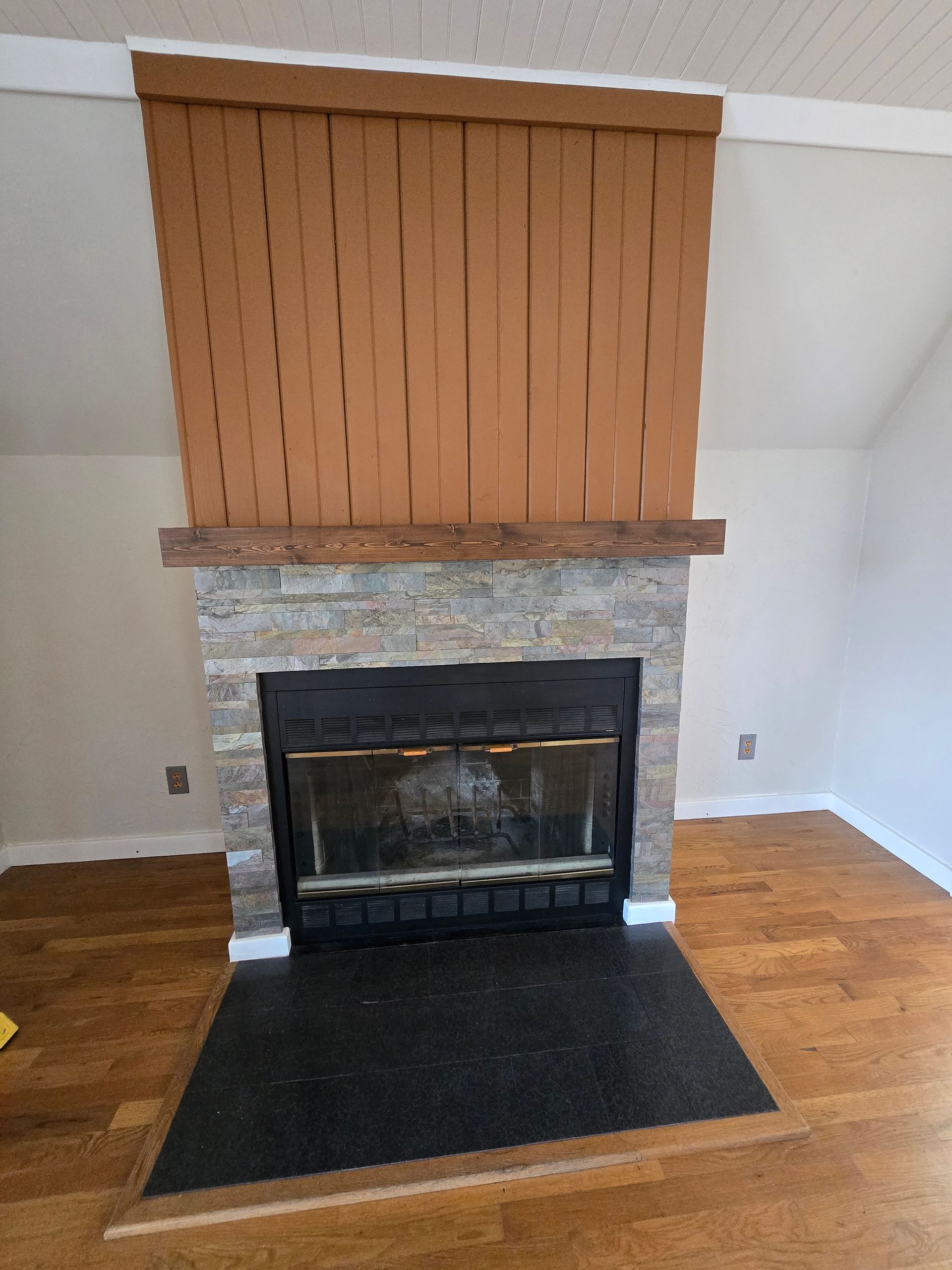
Seamless repairs depend on proper surface preparation, which includes removing loose material around damaged areas, ensuring backing support exists behind patches, and feathering compound edges outward so transitions become invisible after sanding. Texture matching separates acceptable patches from professional results, as even subtle differences in finish become obvious under certain lighting conditions.
Once repairs cure and final sanding is complete, walls return to a smooth, uniform surface without visible seams, ridges, or color variation. Priming before painting prevents flashing, where patched areas absorb paint differently than existing drywall and show through the topcoat. The finished result restores rooms to a like-new appearance and removes visual distractions that lower perceived home value during showings or inspections.
Larger restoration projects after water damage or remodeling follow the same core process but may involve replacing entire wall sections rather than spot patching. Fast turnaround keeps projects moving forward without extended delays, particularly when repairs must be completed before scheduled painting or flooring work begins. Clear estimates account for material costs, repair complexity, and whether texture matching requires specialty tools or techniques.
What Homeowners Usually Ask
Property owners in Kingsport often ask about repair timelines, texture matching, and what level of damage requires professional attention rather than DIY fixes.
What types of drywall damage can be repaired instead of replaced?
Small to medium holes, cracks from settling, water-damaged areas that have dried completely, and surface gouges can all be patched and finished to match existing walls, while extensive damage affecting structural framing or repeated water exposure may require cutting out and replacing full sections.
How is wall texture matched during repairs?
Matching involves identifying the original texture pattern, whether it is smooth, orange peel, knockdown, or another finish, then applying joint compound or texture spray in a way that replicates that pattern before blending edges into surrounding areas through careful sanding and feathering.
When should drywall repairs be scheduled?
Repairs make sense before painting projects, after plumbing or electrical work that required wall access, following storm damage or leaks once moisture sources are fixed, or when preparing a home for sale and small imperfections become more noticeable during showings.
What preparation is needed before repair work starts?
Clearing furniture and wall hangings from the immediate work area, covering floors with drop cloths, and ensuring access to electrical outlets for tools simplifies the process, though most preparation involves assessing damage extent and confirming no hidden moisture or structural issues exist behind visible surface problems.
How long does it take for repairs to fully cure?
Joint compound requires drying time between coats, typically several hours per layer depending on humidity and temperature, with most patches needing at least two to three coats before final sanding, meaning complete repairs often span two to three days from start to paint-ready finish.
Smith Construction And Home Maintenance LLC provides straightforward assessments of wall condition and repair options based on damage type and homeowner goals. Request a detailed estimate to move forward with restoring walls to a clean, finished appearance.